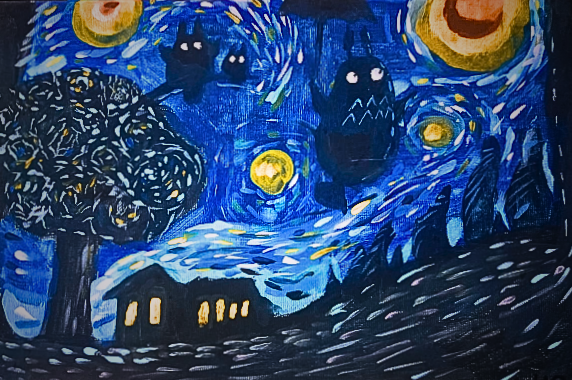
Character design is much more than simply creating an attractive figure. A well-designed character communicates personality, emotion, background, and purpose even before speaking a single word. In animation, games, comics, branding, and digital art, character design plays a major role in how audiences connect with a story and remember it.
First Impressions Matter
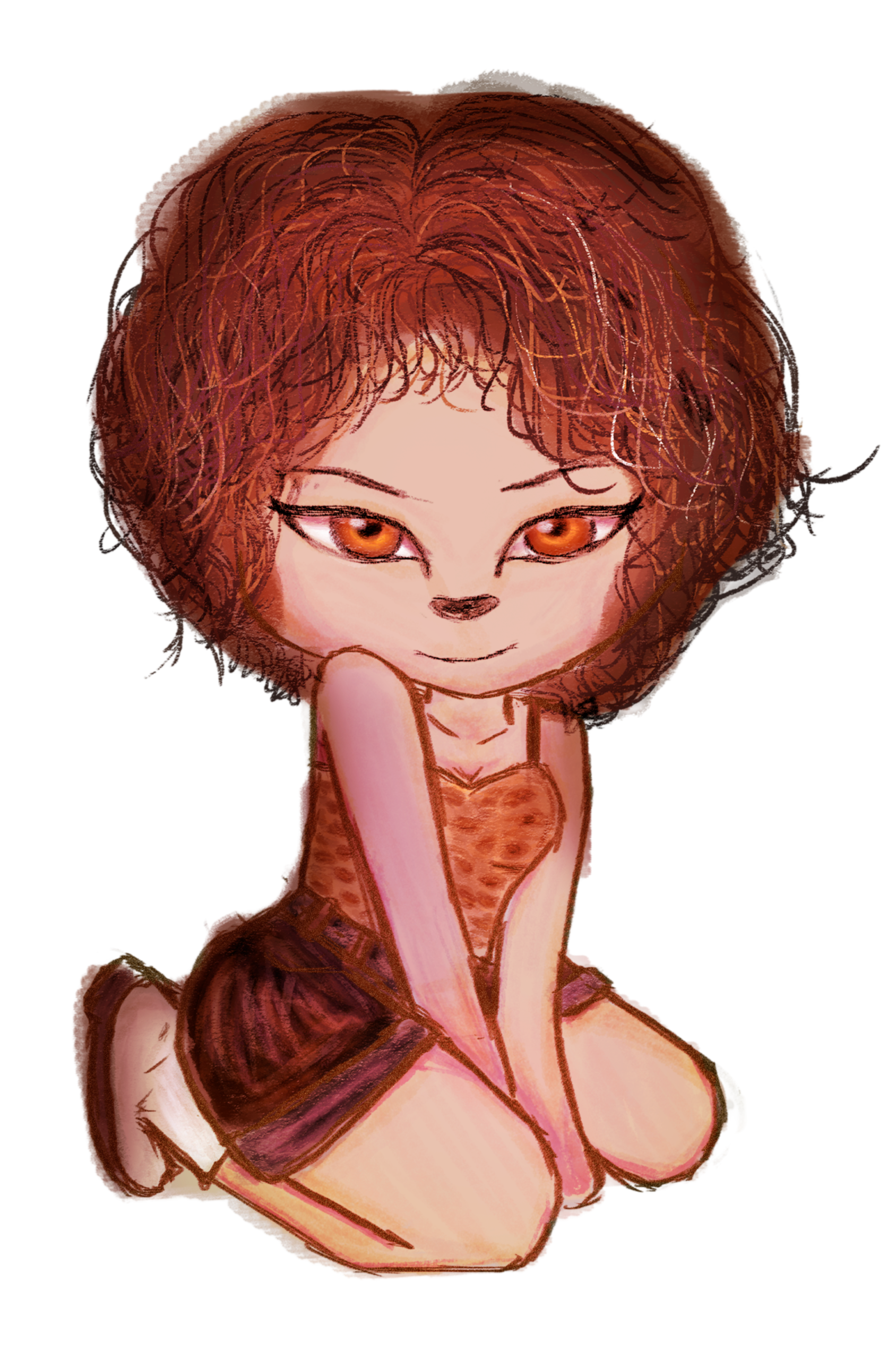
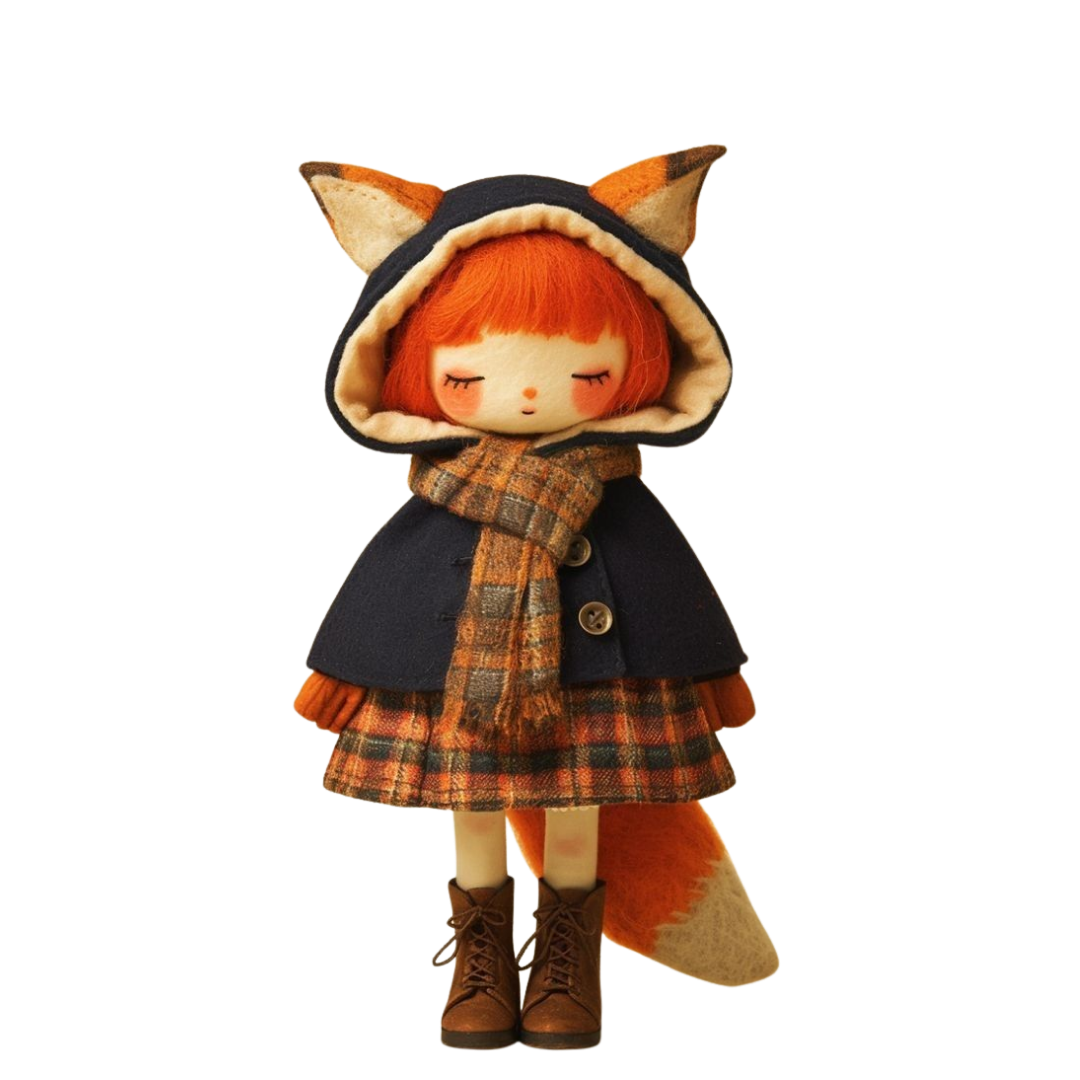
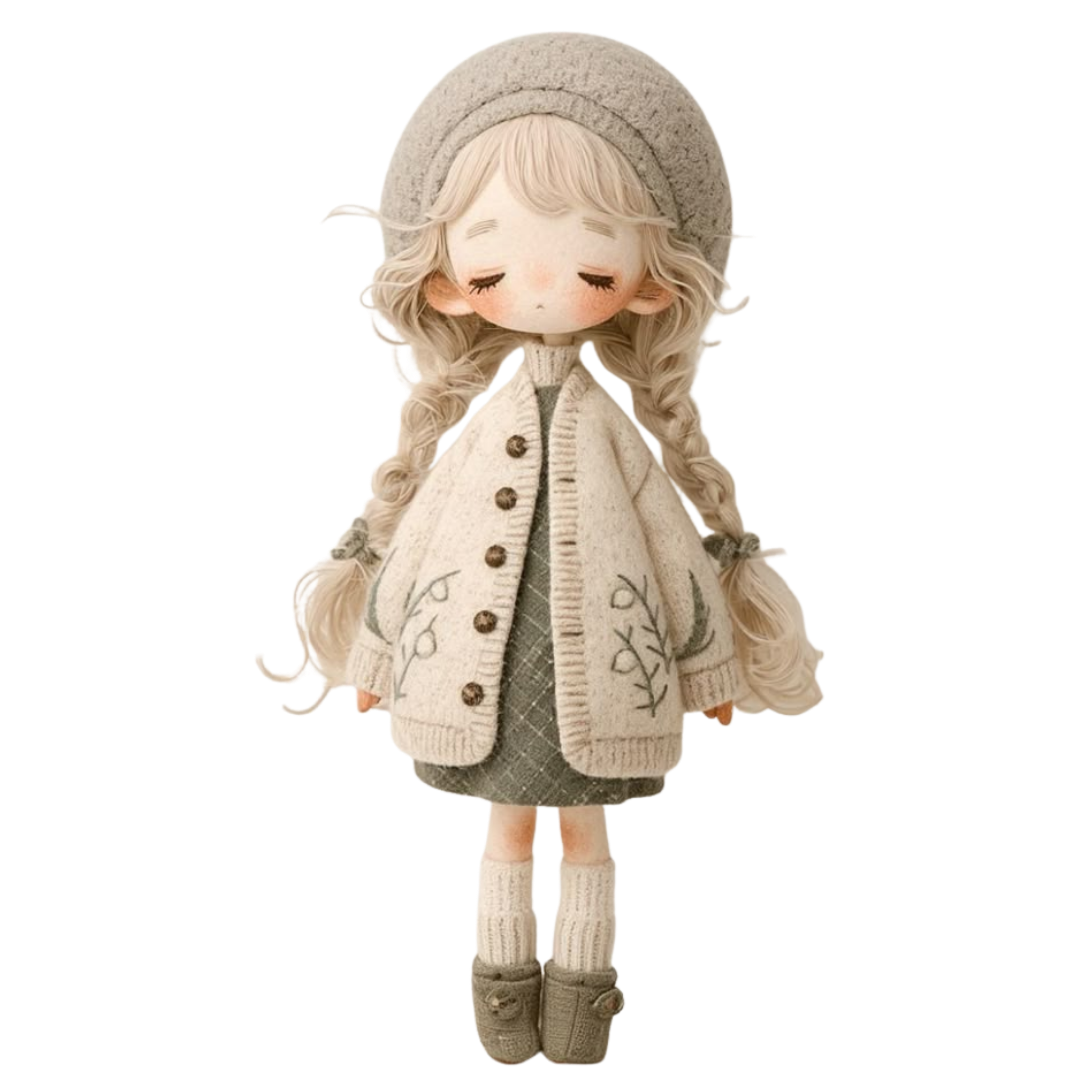
The appearance of a character immediately shapes how people perceive them. Colors, clothing, shapes, expressions, and posture all help communicate who the character is. A soft color palette and rounded shapes may suggest kindness or innocence, while sharp angles and darker tones can create a more intimidating or mysterious presence.
Strong character design allows viewers to understand a character’s personality almost instantly, making the story easier to connect with emotionally.
Design as a Form of Storytelling
Every detail in a character can serve a purpose. Hairstyles, accessories, scars, symbols, or even the way clothing is worn can reveal aspects of a character’s history, culture, or emotional state. Good character design is not random — it supports the narrative.
This is why iconic characters are often recognizable through silhouettes alone. Their designs are carefully crafted to feel unique, memorable, and visually connected to the world they belong to.
People naturally become attached to characters that feel expressive and authentic. Younger audiences especially tend to connect strongly with visual identity. Whether through stylized animation, anime-inspired aesthetics, or realistic designs, characters often become the emotional center of a project.
A successful design balances creativity with relatability. Even fantasy characters feel more believable when their emotions, gestures, and visual traits reflect real human experiences.
The Role of Style and Creativity
Character design also reflects the artistic vision behind a project. Some artists prefer minimalist designs, while others focus on highly detailed clothing, textures, and anatomy. Different styles create different emotional experiences.
Modern character design is heavily influenced by internet culture, fashion, games, and animation trends. Because of this, artists today have endless opportunities to experiment with color, shapes, and storytelling approaches while developing their own unique visual identity.
Ultimately, character design is about creating someone audiences can remember. A great character is not only visually appealing but emotionally meaningful. Through thoughtful design choices, artists can create characters that inspire, comfort, entertain, or leave lasting impact long after the story ends.