ANIMATIONS

The Rise of Digital Art in Modern Creativity

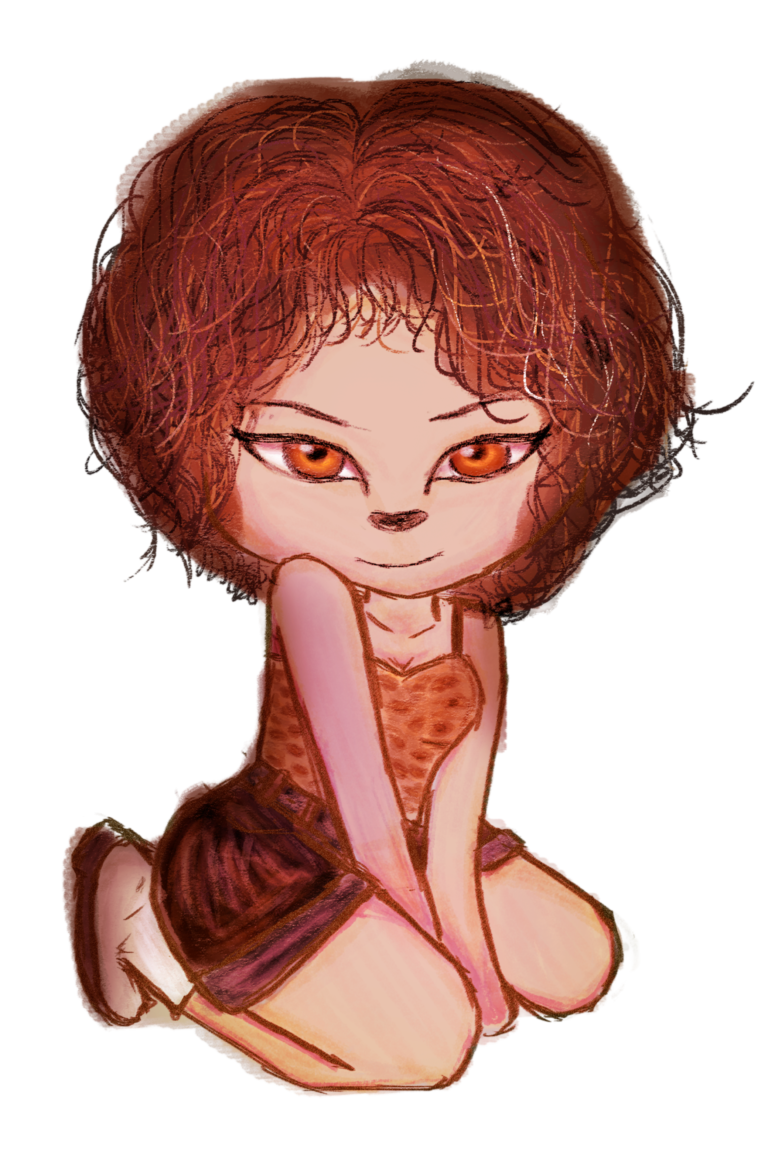
Digital art has transformed the way artists create, share, and experience visual expression. With the growth of technology, creative tools have become more accessible than ever, allowing artists from all around the world to bring their ideas to life through tablets, computers, and digital software. Today, digital art is not only a medium for entertainment and design, but also a powerful form of modern storytelling and self-expression.

One of the greatest advantages of digital art is flexibility. Artists can experiment freely with colors, lighting, textures, and composition without the limitations of physical materials. Layers, undo tools, and customizable brushes allow creators to explore ideas quickly and refine their work more efficiently.

This freedom encourages creativity and helps artists develop their own unique visual style through constant experimentation.

Accessibility for New Artists

Digital art has also made creativity more accessible to beginners. Many aspiring artists can now learn through online tutorials, communities, and affordable software. Social media platforms have created spaces where artists can share their work instantly, receive feedback, and connect with audiences worldwide.

Because of this, digital art communities continue to grow rapidly, inspiring a new generation of creators.

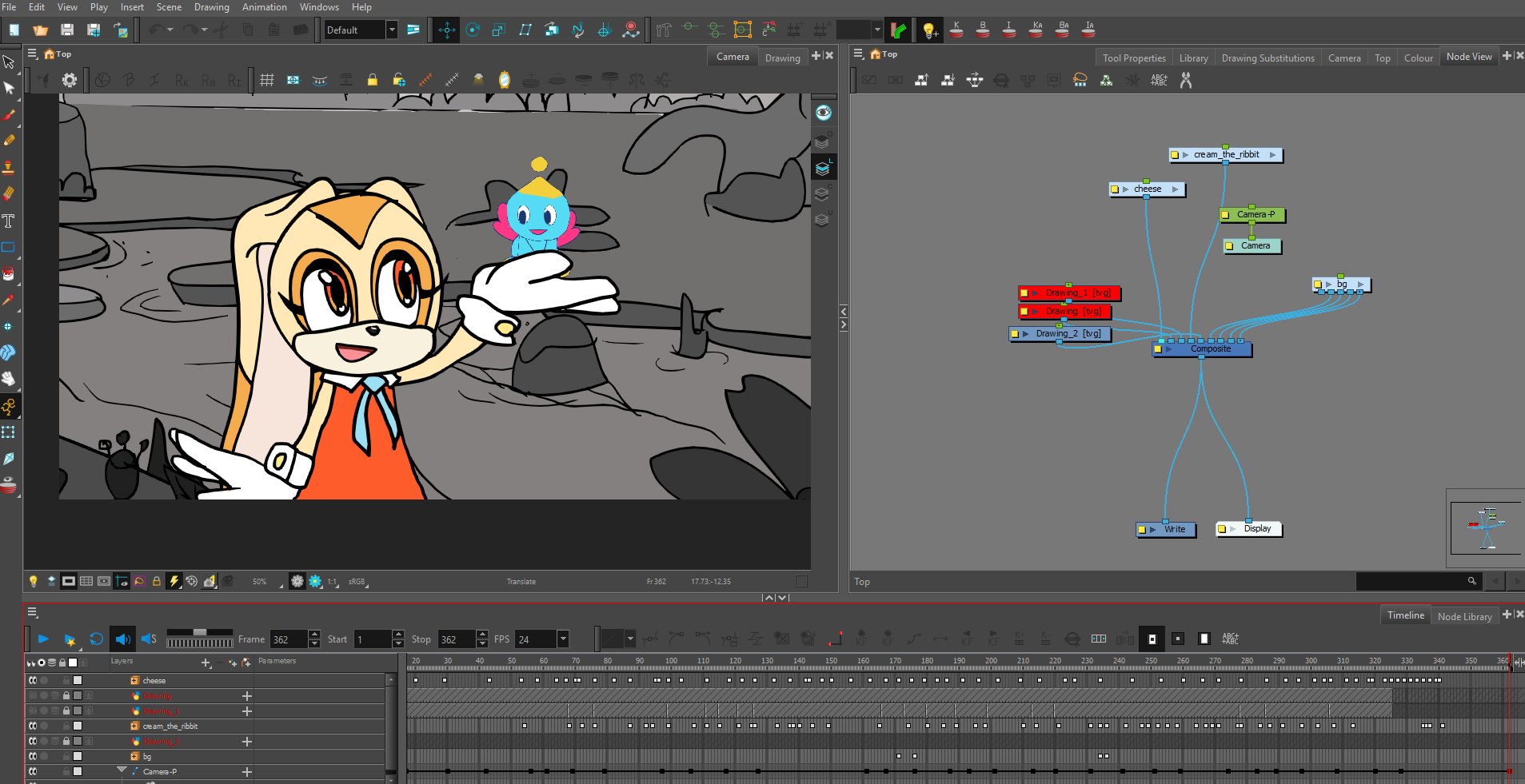
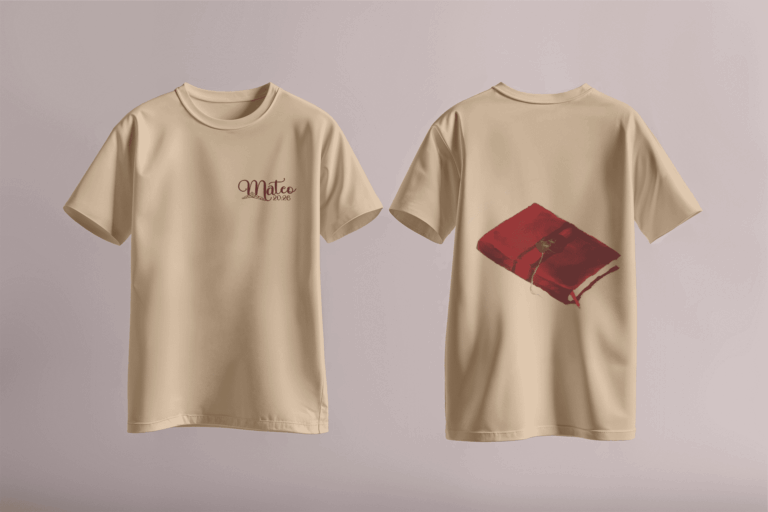
Today, digital art is everywhere — in animation, video games, movies, advertising, web design, and social media content. Character design, concept art, illustrations, and visual effects all rely heavily on digital tools. Modern entertainment industries depend on digital artists to create immersive worlds and visually engaging experiences that connect with audiences emotionally.

Creativity Meets Technology

Digital art represents the combination of artistic imagination and technological innovation. Artists are no longer limited to traditional methods; they can now incorporate 3D modeling, animation, motion graphics, and interactive elements into their work.

As technology continues to evolve, digital art continues expanding into areas like virtual reality, artificial intelligence, and immersive storytelling experiences.

More Than Just a Tool

Although digital art uses technology, the heart of the process remains human creativity. Software may provide tools, but emotion, ideas, and artistic vision still come from the artist. Behind every illustration or design is a person communicating thoughts, stories, and feelings through visual language.


STILL CURIOUS? Here’s more